Maintenance Challenges in Food and Beverage Industry
- Equipment Cleanliness and Integrity: Maintaining pristine equipment and sanitation is crucial to prevent contamination and ensure food safety. Regular maintenance prevents physical dangers from equipment wear and tear.
- Prevention Focus: Routine inspections and preventive maintenance schedules help identify and address potential issues before they impact production, ensuring consistent product quality and safety.
- Complex Maintenance Practices: Large-scale production and numerous machines make maintenance complex. Detailed documentation and maintenance records are necessary for auditing, regulatory compliance, and traceability.
- Corrosion and Rust: Exposure to water, cleaning agents, and acidic ingredients can cause corrosion and rust in equipment. Regular inspections and the use of corrosion-resistant materials are essential.
- Sanitation Compliance: Meeting sanitation standards while minimizing downtime is challenging. Stringent cleaning schedules and food-grade lubricants help maintain compliance.
- Pest Control: Pests pose a significant threat to product quality and safety. Integrated pest management programs and preventive measures are essential.
- Equipment Downtime: Unplanned breakdowns disrupt production and increase costs. Predictive maintenance and advanced monitoring technologies minimize downtime.
- Regulatory Standards: Evolving regulations require ongoing compliance efforts. Regular training, meticulous documentation, and CMMS software assist in regulatory tracking.
- Supply Chain Management: Complex supply chains require effective communication with suppliers and inventory management to ensure a steady flow of raw materials.
- Energy Consumption and Sustainability: Balancing energy-intensive production with sustainability goals requires energy-efficient equipment and practices.
- Aging Infrastructure: Older machinery requires proactive replacement strategies and regular assessments to maintain performance.
Need & Benefits of CMMS for the Food and Beverage Industry
- Simplified Documentation: CMMS centralizes maintenance information, eliminating the clutter of scattered paperwork. It provides a structured approach for documenting maintenance tasks with checklists and electronic signatures, ensuring organized and accessible records.
- Empowered Maintenance Teams: With CMMS software, maintenance teams have easy access to crucial information and protocols. Digital repositories of Standard Operating Procedures (SOPs), safety procedures, and checklists ensure that the right information is always available, leading to more efficient and safer maintenance operations.
- Air-Tight Asset Management: CMMS tracks asset data centrally, ensuring no maintenance tasks are overlooked. Accessible asset history, warranty information, and spare parts inventory streamline maintenance activities and minimize downtime, enhancing overall operational efficiency.
- Enhanced Traceability and Quality Management: By linking maintenance activities to specific production batches and integrating with quality control systems, CMMS provides detailed visibility into the production process. This aids in tracing products and identifying root causes of issues, ensuring high standards of quality management.
- Future-Ready Food Safety Management: CMMS supports food safety compliance by streamlining operations, boosting efficiency, and minimizing risks. It accommodates unique company requirements, reinforcing adherence to food safety standards and regulations.
- Streamlined Regulatory Compliance: Navigating the complex landscape of local, regional, and global regulations is daunting. CMMS simplifies this process by meticulously organizing maintenance records and schedules, ensuring thorough documentation essential for showcasing compliance during audits and inspections.
- Reduced Food Waste and Spoilage: Automating preventive maintenance tasks and providing real-time visibility into equipment performance helps minimize unplanned downtime and equipment failures that can lead to product waste and spoilage. This protects product quality and freshness, safeguarding brand reputation.
- Inventory Optimization: Effective inventory management is crucial in the fast-paced food and beverage industry. CMMS integrates with parts and materials inventory, enabling organizations to track stock levels in real-time. This ensures the right spare parts are available when needed, reducing the risk of stockouts and minimizing downtime.
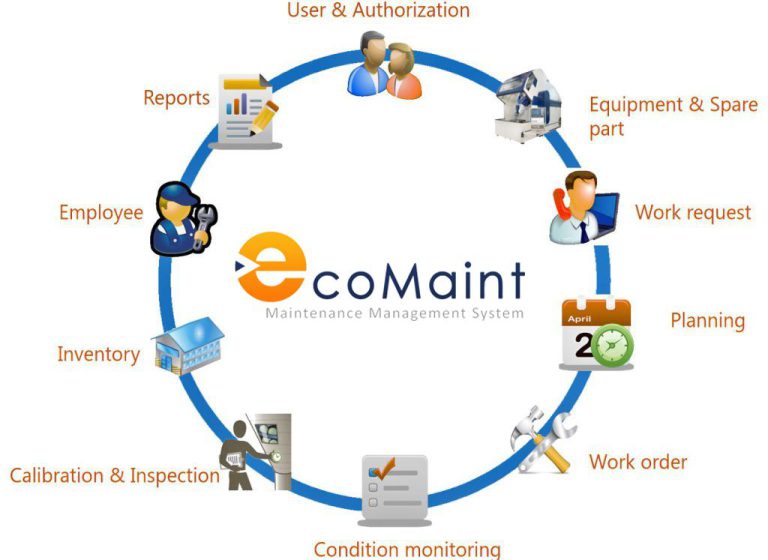
Vietsoft EcoMaint CMMS software combines enterprise-level features with user-friendly design, driving productivity, improving efficiency, and saving costs. Its feature-rich, intuitive, and customizable platform supports preventive and predictive maintenance. By adopting CMMS software, food and beverage companies can optimize asset availability, minimize downtime, and ensure regulatory compliance.